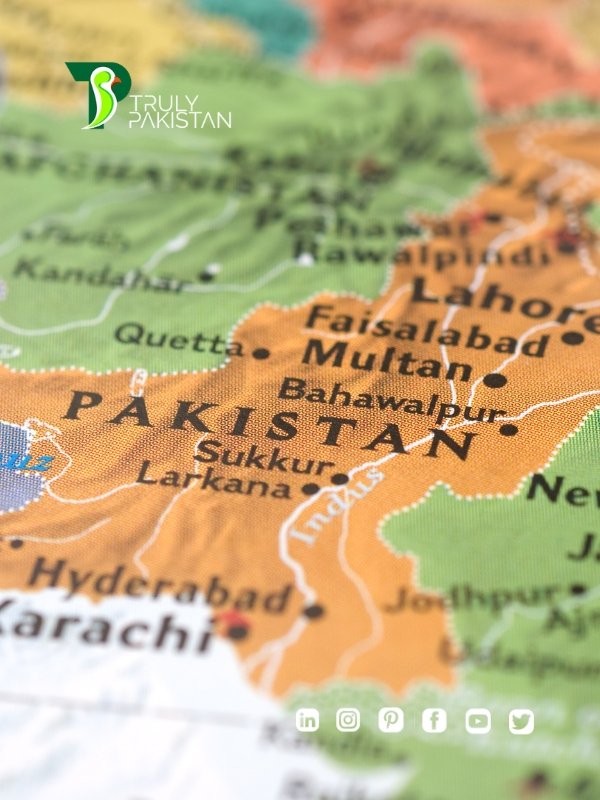
Is Pakistan Safe for American Tourists in 2026? The Honest Answer
Quick Answer — Yes, With Important Nuance
Pakistan is safe for American tourists when you travel to the right regions with the right preparation.
- Northern Pakistan Hunza Valley, Skardu, Gilgit-Baltistan is genuinely safe and internationally celebrated.
- Islamabad and Lahore have established tourist circuits and millions of visitors per year.
- Three specific zones (Balochistan, KPK/former FATA, Line of Control) carry Level 4: Do Not Travel ratings.
- The US State Department overall advisory is Level 3: Reconsider Travel the same level as countries like Egypt and Jamaica.
- Thousands of Western tourists visit Pakistan every year and return with the same verdict: it is one of the most surprising, hospitable, and rewarding travel experiences in the world.
This guide gives you the complete picture data-backed, honest, and written for American travelers specifically.
You have probably seen the US State Department advisory for Pakistan and wondered whether it means you should not go. That is a reasonable question and a frustrating one, because the advisory alone does not tell you very much about whether Hunza Valley is safe to trek, or whether Lahore’s walled city is worth visiting, or whether American tourists actually enjoy their time in Pakistan.
The short answer is yes Pakistan is safe for American tourists in the right regions. The longer answer is what this guide is for.
Over the next 3,000+ words, you will get: the State Department advisory explained plainly; a region-by-region safety breakdown; real data on tourism growth; an honest look at what Nisar Malik and international adventure athletes say about Pakistan’s northern wilderness; practical pre-departure steps built specifically for US passport holders; and seven FAQ answers calibrated to shift you from concern to informed confidence.
What the US State Department Actually Says About Pakistan in 2026
The US State Department updated its Pakistan travel advisory on January 26, 2026. The country sits at Level 3: Reconsider Travel its overall rating with three specific regions carrying the highest Level 4: Do Not Travel designation.
Before that level triggers alarm, it is worth understanding what these categories actually mean and where Pakistan sits in global context.
The Four Advisory Levels — What They Really Mean
| Level | Advisory | What It Means in Practice |
|---|---|---|
| Level 1 | Exercise Normal Precautions | Lowest risk. Standard travel applies. Think Canada, Western Europe. |
| Level 2 | Exercise Increased Caution | Some risk present. Common for countries like France, Germany, Mexico. |
| Level 3 | Reconsider Travel | Serious risks in specific contexts. Applies to Pakistan overall — but not all regions equally. |
| Level 4 | Do Not Travel | Highest level. Life-threatening risks. Applies only to Balochistan, KPK/FATA, and Line of Control within Pakistan. |
Here is the critical context the advisory itself does not provide: Level 3 is shared by countries that receive millions of Western tourists every year. Egypt is Level 3. Jamaica is Level 3. The advisory reflects the State Department’s broad-stroke national assessment it is not a nuanced evaluation of specific tourist circuits within a country.
When the January 2026 advisory says ‘Reconsider Travel to Pakistan,’ it is applying that rating to a nation that includes both the tourist-safe Hunza Valley and the genuinely dangerous Balochistan Province. It is not saying that Hunza Valley is dangerous. It is saying that as a whole country, Pakistan contains enough risk indicators to warrant the Level 3 classification.
The Three Level 4 Zones Americans Must Avoid
These are the non-negotiable no-go zones for American tourists in 2026:
- Balochistan Province — Active separatist groups, terrorist attacks against civilians, religious minorities, and security forces. Pakistan’s largest province by land area. No tourist travel under any circumstances.
- Khyber Pakhtunkhwa (KPK) Province, including former FATA — Active terrorist and insurgent groups routinely conducting attacks against civilians, NGOs, government offices, and security forces. This designation is specific to KPK/former FATA, not the entire northwest of Pakistan.
- The Line of Control vicinity — Potential for armed conflict. Militant groups known to operate in the area. No civilian access or tourist activity.
Critically: none of these three zones are where American tourists go. Hunza Valley, Skardu, Gilgit-Baltistan, Islamabad, Lahore, Swat Valley, Kaghan — the destinations that define Pakistan’s tourist experience — are entirely separate from these Level 4 areas.
What Changed in the January 2026 Advisory Update
The January 26, 2026 update brought two changes worth noting:
- A Crime (C) risk indicator was added — reflecting urban petty crime concerns, particularly in Karachi and larger cities. This is standard for major developing-world metropolises and does not change the northern Pakistan safety picture.
- The Pakistan-India border area was downgraded from Level 4 to Level 3 — a notable positive update reflecting reduced armed conflict risk in that corridor.
The February 6, 2026 US Embassy security alert issued following a suicide bombing at a mosque in the Tarlai Kalan area on the outskirts of Islamabad is the most recent significant event. The Embassy’s response was to remind travelers to avoid large public gatherings and vary travel routes. It did not issue an evacuation order or raise the overall advisory level.
Region-by-Region Safety Breakdown for American Tourists
Pakistan is the ninth-largest country in the world by population and stretches across dramatically different landscapes, cultures, and security environments. A single national advisory cannot capture that diversity. Here is what American tourists actually need to know, destination by destination.
| Destination | Safety Level | Key Notes |
|---|---|---|
| Islamabad | Safe | Capital city — US Embassy located here. Lowest crime of any major Pakistani city. Well-planned, tourist infrastructure strong. |
| Lahore | Safe | Cultural capital. Active tourist circuit. Mughal landmarks, food culture, international visitors year-round. |
| Hunza Valley | Very Safe | Zero recorded terrorist attacks. Ismaili community. Internationally beloved trekking destination. |
| Skardu / Gilgit-Baltistan | Safe | K2 gateway. Established international trekking infrastructure. Domestic + international visitors growing rapidly. |
| Swat Valley | Use Caution | Transformed since 2009. Visible security presence. Established tourist routes. Research current conditions before travel. |
| Kaghan Valley / Naran | Safe | Family-friendly. Popular domestic + international tourist destination. Good road access. |
| Karachi | Exercise Caution | Pakistan’s largest city. Urban complexity + petty crime higher. Stay in established areas. Use app-based transport only. |
| Balochistan Province | Do Not Travel | US State Dept Level 4. Active separatist groups. Terrorist attacks against civilians and security forces. Avoid entirely. |
| Khyber Pakhtunkhwa / former FATA | Do Not Travel | US State Dept Level 4. Active terrorist and insurgent groups. Routine attacks. No tourist travel. |
| Line of Control (LoC) | Do Not Travel | US State Dept Level 4. Potential armed conflict. Militant groups active. No civilian access. |
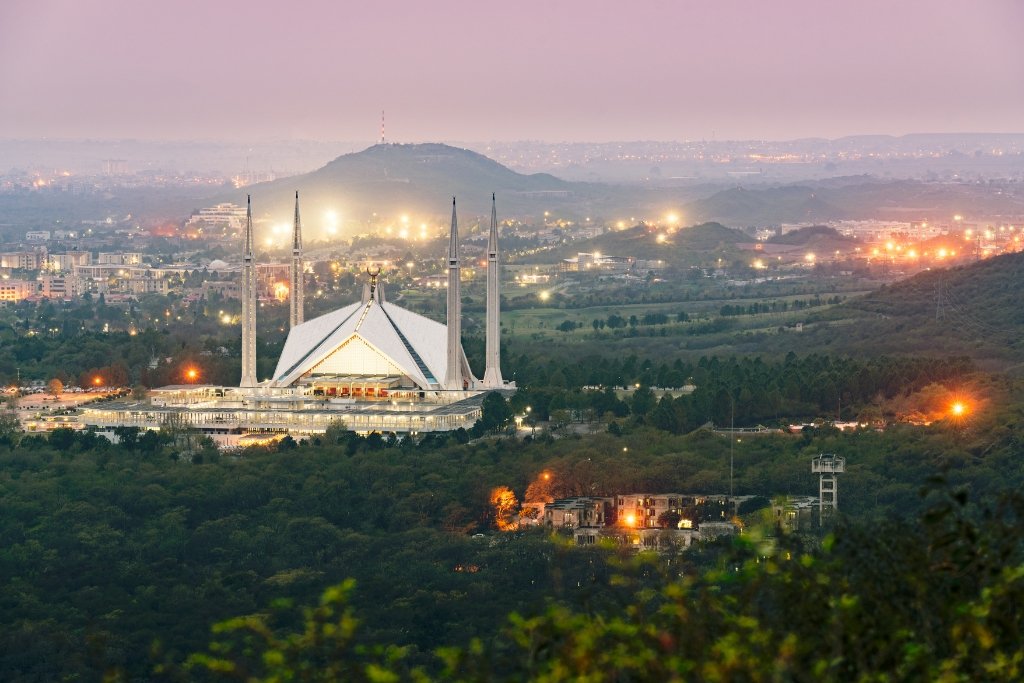
Islamabad Pakistan’s Safest Major City
Islamabad is where most American tourists begin their Pakistan journey and with good reason. Pakistan’s planned federal capital has the lowest crime rate of any major Pakistani city, a strong security presence throughout the diplomatic enclave and tourist districts, and the US Embassy located here as the primary point of contact for American citizens.
The city’s grid layout, modern shopping infrastructure, and cosmopolitan population make it the most navigable Pakistani city for first-time Western visitors. Islamabad is the recommended starting point for any American traveling to Pakistan, particularly solo female travelers and those on their first visit.
Lahore — Cultural Heartbeat, Established Tourist Circuit
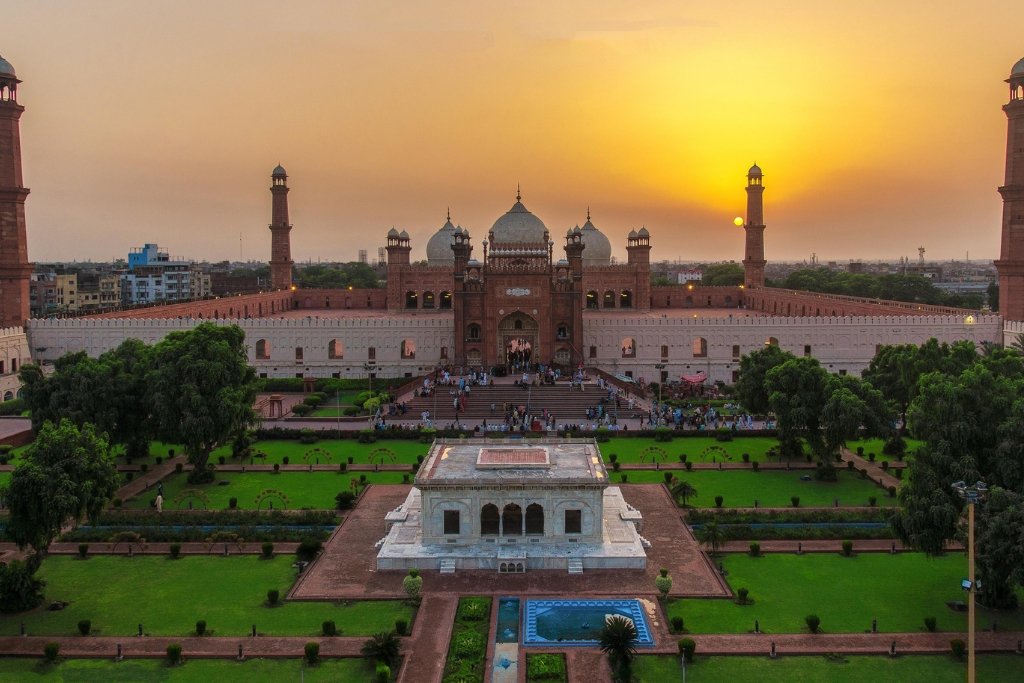
Lahore is one of South Asia’s great cultural cities a living museum of Mughal civilization that rivals Agra and Delhi in historical significance but receives a fraction of their international visitors. The Walled City, Badshahi Mosque, Lahore Fort, and Shalimar Gardens are all UNESCO-listed or recognized heritage sites with established tourist infrastructure.
Petty crime exists as in any large city, and solo female travelers benefit from using app-based transport and staying in established tourism areas. But Lahore’s food culture, architecture, and hospitality routinely leave American visitors describing it as one of the most unexpectedly wonderful urban experiences in Asia.
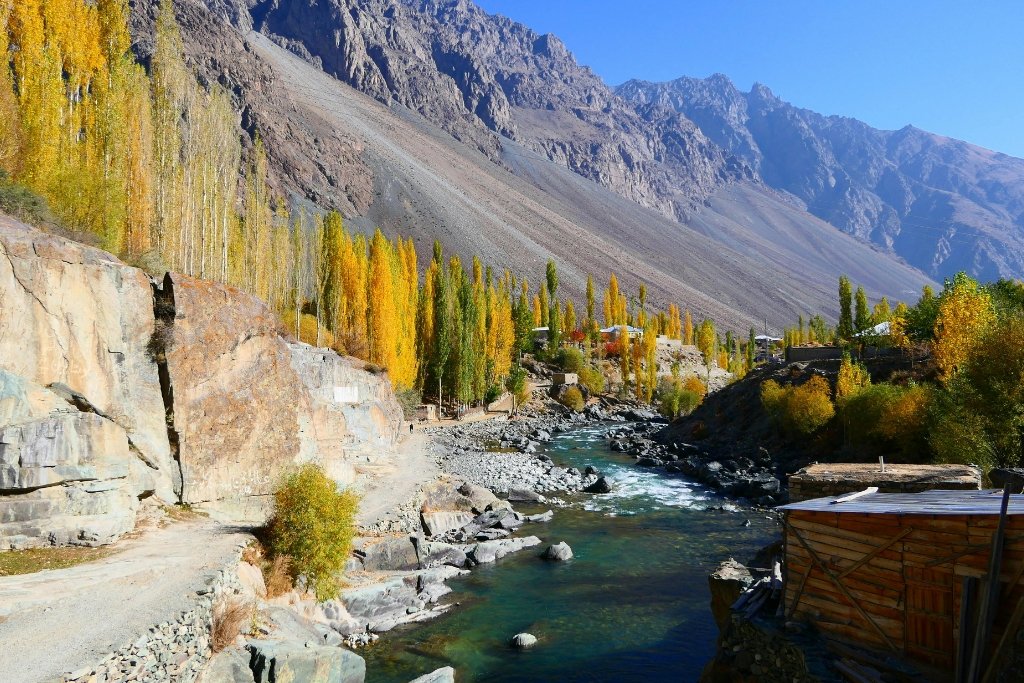
Northern Pakistan — Hunza Valley, Skardu, and Gilgit-Baltistan
This is Pakistan’s crown tourism jewel and it is genuinely safe.
Hunza Valley has zero recorded terrorist attacks. The valley’s overwhelmingly Ismaili Muslim population the most liberal branch of Islam, with one of Pakistan’s highest literacy rates creates a social environment that experienced international travelers consistently describe as remarkably warm, respectful, and low-stress. Solo female travelers from the US, UK, Australia, and Japan rank Hunza among the most comfortable solo travel experiences in all of Asia.
Skardu is the gateway to K2 the second-highest mountain in the world and the broader Karakoram range. International mountaineers and trekkers arrive here from France, Germany, Japan, South Korea, and North America every season. The infrastructure is internationally calibrated: permit offices, mountain gear stores, accredited guides, and satellite communications.
Gilgit-Baltistan as a whole contains more high-altitude lakes than any other region in the world over 6,000 and receives consistent positive safety assessments from international tour operators, travel writers, and independent travelers.
Swat Valley and Kaghan Pakistan’s Accessible Northern Beauty
Swat Valley’s history with militancy in the 2007–2009 period is well-documented and so is its transformation in the decade and a half since. The Pakistani military’s sustained operations in Swat resulted in one of the more dramatic security turnarounds in any post-conflict region in South Asia. Today, Swat is a functioning tourist destination with luxury hotels, visible security presence, and an established circuit for domestic and international visitors.
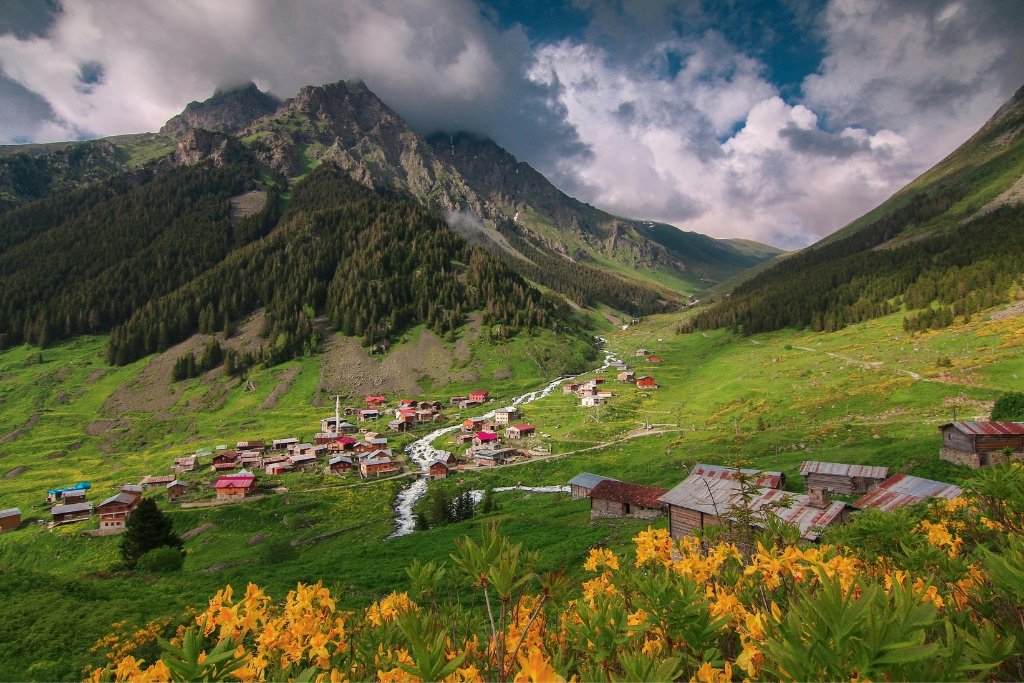
Kaghan Valley and Naran further east are among Pakistan’s most family-friendly tourist destinations, receiving large numbers of Pakistani domestic visitors every season and growing numbers of international visitors attracted by the valley’s lakes, meadows, and mountain scenery.
Both destinations warrant current-conditions research before travel and are best visited with a reputable tour operator familiar with ground conditions.
The Reality Gap — What Western Headlines Miss About Pakistan Safety
There is a measurable, documented gap between Pakistan’s media representation in Western outlets and the ground reality experienced by international tourists who actually visit. Understanding that gap is essential for any American traveler making an informed decision.
Pakistan Tourism Is Growing — The Numbers Tell a Different Story
| Pakistan Tourism Data — What the Numbers Show | |
|---|---|
| Inbound arrivals in 2023 | 3.95 million — Pakistan Tourism Authority data |
| Foreign tourist arrivals increase in 2023 | 115% increase — Pakistan Ministry of Tourism |
| Tourism revenue growth in 2024 | 58% increase compared to 2023 |
| International tourism receipts in 2023 | USD 1.3 billion — World Bank data |
| Travel & Tourism market projection for 2025 | USD 4.26 billion — Statista |
| Employment supported by tourism sector in 2023 | 4.73 million positions — WTTC |
| Western advisory updates | UK, Germany, and Japan have all softened travel advisories for major Pakistani cities and tourist areas |
| Adventure tourism ranking | Pakistan ranked as one of the fastest-growing adventure tourism destinations for US travelers — Trango Tours, 2026 |
These are not projections. They are documented figures from the World Bank, World Travel and Tourism Council, and Pakistan’s own government data cross-referenced against independent travel industry reporting. Tourism to Pakistan is growing because international travelers who actually visit are returning home with radically different impressions than the ones they arrived with.
Why American Tourists Are Consistently Surprised When They Actually Arrive
The gap between expectation and experience in Pakistan is one of the most consistent themes across independent traveler accounts, travel journalism, and adventure tourism media. The surprise is almost always the same:
- The hospitality. Pakistanis have a concept mehman nawazi that translates roughly as ‘the honour of hosting a guest.’ Strangers invite foreign visitors for tea. Families offer to show tourists around their cities. People go genuinely and warmly out of their way to help, not because it is a tourism product, but because it is a cultural reflex.
- The infrastructure quality. Islamabad and Lahore have modern shopping malls, international hotel chains, reliable app-based transport (Careem), and English widely spoken among professionals and younger populations. The northern tourism corridor has developed faster in the last five years than most international travelers expect.
- The landscape. Pakistan contains more of the world’s 8,000-metre peaks than any other country except Nepal. The Karakoram has more glaciers outside the polar regions than any mountain range on Earth. First-time visitors to Hunza Valley consistently describe it as one of the most visually dramatic landscapes they have ever seen.
- The gap itself. As Against the Compass one of the most credible independent voices in offbeat travel puts it: ‘very few people are aware of the potential of this country, so everybody gets particularly surprised when they hear my tales of Pakistani hospitality or take a look at my photos.’
Adventure Sports in Pakistan — A World-Class Destination That Elite Athletes Already Know About
For American travelers drawn to outdoor adventure, Pakistan is not just safe it is arguably the most spectacular adventure destination on Earth that most of the Western world has not yet discovered.
Why Pakistan Is Unmatched for Adventure Tourism
| Pakistan’s Adventure Tourism Credentials — By the Numbers | |
|---|---|
| Eight-thousanders | 5 of the world’s 14 eight-thousanders: K2 (2nd highest on Earth), Nanga Parbat, Broad Peak, Gasherbrum I, Gasherbrum II |
| Karakoram Glaciers | More glaciers outside polar regions than any mountain range on the planet |
| High-altitude lakes | Over 6,000 in Gilgit-Baltistan alone |
| Karakoram Highway (KKH) | Frequently called the 8th wonder of the modern world |
| K2 vs Everest | K2 receives a fraction of the climbers that Everest does — far less crowded, far more challenging |
| First-ascent opportunities | Many Karakoram peaks have never been summited — true first-ascent opportunities still exist |
| Deosai Plains | Second-highest plateau in the world, brown bear habitat, wildflower meadows at altitude |
| Fairy Meadows | One of the world’s most iconic trekking destinations, directly beneath Nanga Parbat |
Nisar Malik and Walkabout Films The Man Putting Pakistan’s Wilderness on the World Map
If you want to understand what Pakistan’s northern wilderness is capable of producing on a world stage, the career of Nisar Malik of Walkabout Films is the most compelling single data point available.
Nisar Malik is South Asia’s leading field production filmmaker in nature, wildlife, and extreme sports. He is also a TrulyPakistan Patron and Advisor a distinction that reflects not just his professional credentials but his lifelong commitment to showing Pakistan’s natural and adventure landscape to the world.
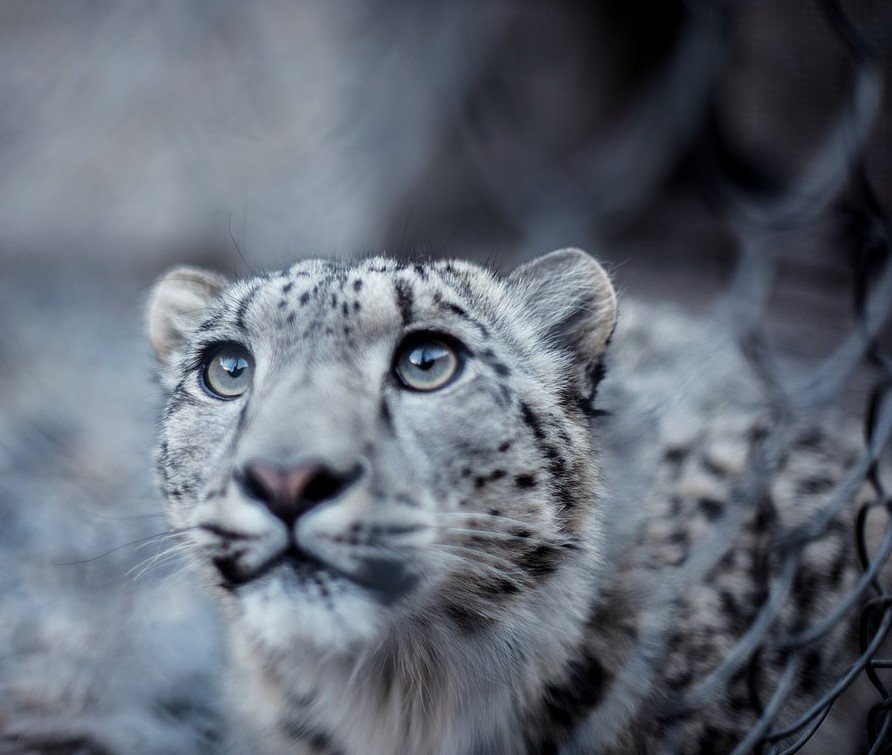
In 2006, Malik led the expedition team that captured the first-ever footage of a wild snow leopard in Pakistan’s mountains sequences that became part of BBC’s landmark Planet Earth series, narrated by Sir David Attenborough. The standalone documentary Snow Leopard: Beyond the Myth also narrated by Attenborough won the Banff Mountain Film Festival and the Namur International Nature Film Festival in Belgium, holds an 8.1 rating on IMDB, and has been seen by over 200 million viewers worldwide.
In 2008, the Government of Pakistan awarded Malik the President’s Pride of Performance Medal the highest civilian honour in the country.
His production company Walkabout Films has produced content for National Geographic, Discovery Channel, Animal Planet, and BBC’s Natural History Unit all filmed in Pakistan’s wilderness with a BBC-trained in-house crew and partnerships with WWF-Pakistan.
The international critical and commercial success of Malik’s work using Pakistan as the subject and backdrop is itself an authority signal. When the BBC sends a crew to Pakistan to capture wild snow leopards for Planet Earth, and David Attenborough narrates the result, it is not a geopolitical statement. It is a testament to what Pakistan’s wilderness actually contains.
Karakoram Heli-Skiing — The Adventure Story That CNN Covered
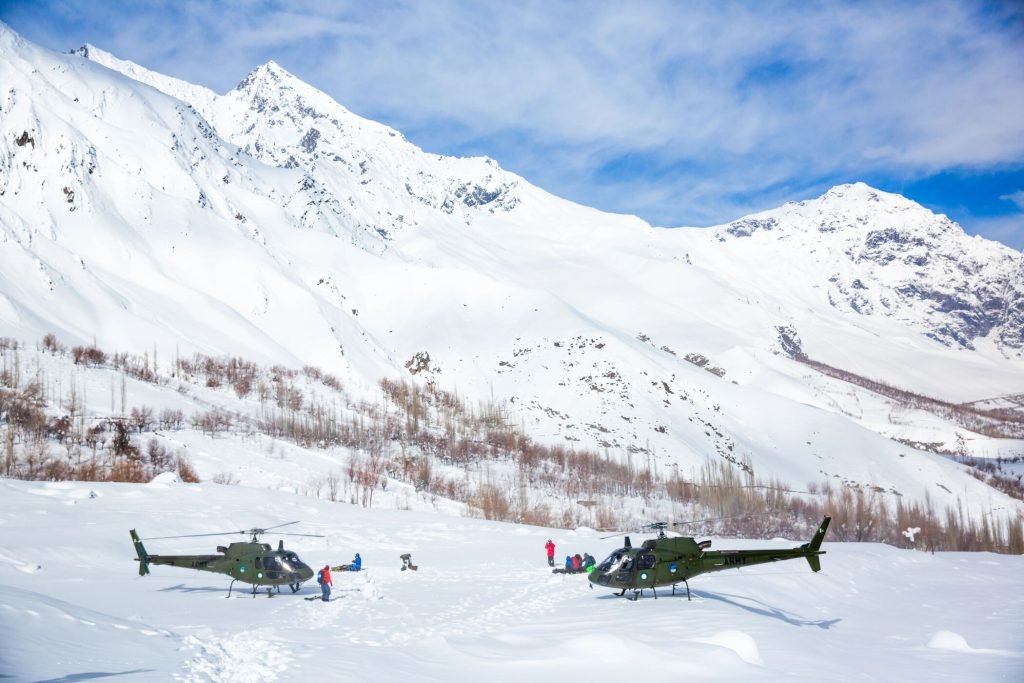
One of the most striking illustrations of Pakistan’s adventure tourism reality is the Karakoram HeliSki program organized by Nisar Malik and Walkabout Films which brought elite international skiers to Pakistan’s Karakoram and Himalayan ranges for heli-skiing at altitude.
The international team included athletes from France, Russia, Serbia, Canada, and Switzerland. Brice Lequetier, a French champion skier, participated and described the terrain as extraordinary. The event was covered by CNN not as a security story, but as an adventure sports story about world-class skiing in one of the planet’s most dramatic mountain ranges.
The joint venture ‘Pakistan Pure Discovery’ developed with ISPR was built specifically to promote extreme sports tourism in Pakistan’s northern regions. The fact that elite athletes from five Western countries participated, that CNN covered it as an adventure story, and that the Pakistani military was a joint partner all of this speaks to the ground reality of what northern Pakistan’s adventure tourism infrastructure has become.
What Adventure Sports Are Safe and Available for American Tourists
- High-altitude trekking — K2 Base Camp (Concordia), Fairy Meadows (Nanga Parbat approach), Karimabad surroundings in Hunza, Upper Hunza and Gojal valleys. All require fitness preparation and acclimatization none require special security arrangements.
- Heli-skiing — Karakoram and Himalayan ranges, organized through specialist operators with international clientele. Walkabout Films and Pakistan Pure Discovery have established the template.
- Mountaineering — Permit-based, regulated by the Alpine Club of Pakistan. A well-established international process that receives mountaineers from every major climbing nation annually.
- Wildlife tourism — Snow leopard tracking in Chitral and upper Hunza; brown bear observation at Deosai Plains; markhor and ibex in Gilgit-Baltistan. Niche, specialized, extraordinary.
- Jeep expeditions — Karakoram Highway, Shandur Pass, Broghil Valley, Deosai Plains. Among the most spectacular overland routes in the world. Well-serviced by specialist operators.
- Rock climbing and bouldering — Hunza, Skardu, and surrounding valleys offer internationally recognized climbing zones with some of the most dramatic rock formations in Asia.
Practical Things Every American Tourist Should Know Before Visiting Pakistan
Petty Crime and Scams — What the Risk Actually Looks Like
The January 2026 advisory added a Crime (C) indicator — this is worth understanding in context. Urban petty crime in Karachi and, to a lesser extent, Lahore does exist: pickpocketing in crowded areas, taxi fare inflation, and opportunistic scams targeting obvious tourists are the most commonly reported issues.
In northern Pakistan Hunza, Skardu, Gilgit-Baltistan petty crime directed at tourists is genuinely rare. The combination of tight-knit communities, strong tourism-sector awareness, and social accountability in smaller mountain towns creates an environment where tourist-targeting crime is consistently reported as uncommon by independent travelers.
Standard urban precautions apply everywhere: do not display expensive watches or jewellery; use Careem (Pakistan’s Uber equivalent) rather than unmarked taxis, especially at night; do not leave bags unattended in crowded public spaces.
Cultural Awareness — The Passport to a Richer Experience
Cultural fluency in Pakistan is not just about avoiding offense it is the single most effective thing an American tourist can do to have a richer, more comfortable, and more rewarding experience.
- Dress modestly — covered shoulders and legs for both men and women. Women benefit from carrying a lightweight scarf for mosque visits and rural areas. Purchasing a shalwar kameez in Islamabad or Lahore is widely recommended by experienced female travelers as the single most practical travel decision they made.
- Alcohol — is completely illegal in Pakistan for non-Muslims and effectively unavailable in tourist contexts. This is not a risk — it is simply a different travel context.
- Ask permission before photographing people, — particularly women and in religious settings. In rural areas and at religious sites, this is both respectful and significantly improves how local communities receive you.
- Ramadan travel requires some adjustment — restaurants may be closed during daylight fasting hours, and public eating and drinking is expected to be done discreetly. Ramadan Pakistan is also a uniquely atmospheric travel experience if approached with openness.
- Social media awareness — Avoid photographing military installations, checkpoints, or sensitive government buildings. This is explicit in State Department guidance and important for personal safety.
Health Preparation — Non-Negotiables for American Travelers
Health preparation for Pakistan is straightforward but non-negotiable. Work with a travel medicine specialist at least 4–6 weeks before departure.
- Polio vaccination — MANDATORY. Pakistan requires proof of polio vaccination taken within the past 12 months to exit the country. Get it documented on your International Certificate of Vaccination (yellow card). Carry it with your passport at all times. The CDC currently lists Pakistan on its active poliovirus circulation list.
- Hepatitis A and Hepatitis B — both strongly recommended by CDC and travel medicine specialists for Pakistan travel. Standard courses.
- Typhoid — strongly recommended, particularly important: an ongoing outbreak of extensively drug-resistant (XDR) typhoid fever has been documented in Pakistan since 2023. XDR typhoid does not respond to most antibiotics. The typhoid vaccine is highly effective prevention.
- Dengue fever — year-round risk in Pakistan’s lowland areas per CDC. Pack insect repellent and use it. Less of a concern in high-altitude northern destinations.
- Travel insurance with medical evacuation — not optional. Ensure your policy explicitly covers high-altitude trekking if your itinerary includes northern Pakistan. Policies from providers like World Nomads cover standard trekking altitudes for most popular Pakistan routes.
- Altitude sickness — if your itinerary includes Skardu, K2 Base Camp, or any high-altitude trekking, understand AMS (Acute Mountain Sickness) symptoms: headache, nausea, fatigue, dizziness. Acclimatize in stages — spend time at intermediate altitudes before ascending further. Ascend no more than 300–500 metres per day above 3,000 metres.
- Water and food — drink bottled water only; avoid tap water and ice from unknown sources. Street food at busy, popular stalls is generally safe; quality restaurants in Islamabad and Lahore are fine. Your stomach may still need adjustment time in the first few days.
Pakistan Travel Safety Checklist for American Tourists — Before You Book
Every piece of practical guidance above distills into one actionable pre-departure checklist, built specifically for US passport holders traveling to Pakistan.
| Action | Notes |
|---|---|
| Register with STEP — Smart Traveler Enrollment Program | step.state.gov — takes 5 minutes |
| Apply for Pakistan eVisa in advance | visa.nadra.gov.pk — allow 7+ business days |
| Get polio vaccination + yellow card documentation | Mandatory to EXIT Pakistan |
| Complete Hep A, Hep B, and Typhoid vaccinations | Start 4–6 weeks before travel |
| Get XDR Typhoid vaccine specifically | Ongoing outbreak — standard typhoid vaccine covers this |
| Purchase travel insurance with medical evacuation | Essential for northern trekking itineraries |
| Set up a VPN before departure | US Embassy recommends a US-based VPN for Pakistan internet |
| Save US Embassy Islamabad contact: +92-51-201-4000 | Also: 1-888-407-4747 from the US |
| Plan SIM card acquisition (NOT at airport) | Jazz, Zong, or Telenor city store required for tourist SIM |
| Research NOC requirements for restricted routes | Your tour operator should handle this automatically |
| Carry certified copies of all documents | Passport bio-page, eVisa, insurance, vaccine certificate |
| Pack modest clothing; include a lightweight scarf | Practical for all regions; essential for rural areas |
| Book with a reputable, internationally experienced operator | trulypakistan.net/pakistan-tour-packages |
Is Pakistan Safe for Solo American Female Travelers in 2026?
This deserves its own honest answer because the experience of solo female travelers in Pakistan is one of the most consistently misrepresented topics in Western travel media. The short answer: yes particularly in northern Pakistan, with the cultural awareness that applies to solo female travel anywhere outside Western Europe and North America.
Where Solo American Female Travelers Feel Most at Home
Hunza Valley stands in a category of its own. Solo female travelers from the US, UK, Australia, and Japan consistently describe Hunza as one of the most genuinely comfortable solo travel experiences in all of Asia. The largely Ismaili population, high literacy rates, and deeply rooted hospitality toward international visitors create an environment where harassment and unwanted attention common complaints in parts of South Asia are notably rare.
Islamabad is the recommended starting point for any solo American female traveler. The planned capital’s orderly layout, high security presence, international hotel infrastructure, and cosmopolitan character make it one of the most navigable cities in South Asia for a first-time visitor. Building confidence here before heading north is a proven approach used by experienced female Pakistan travelers.
Lahore rewards solo female visitors with cultural depth and extraordinary food and is most comfortably navigated with app-based transport (Careem), modest dress, and the situational awareness that any experienced solo traveler brings to a major urban environment.
Practical Guidance for Solo American Female Tourists
- The shalwar kameez is your most practical travel decision. Available in Islamabad and Lahore markets, affordable, comfortable in all weather, and universally interpreted as respectful cultural engagement. Experienced female Pakistan travelers consistently cite local dress as the single most effective step for friction-free travel.
- Use Careem exclusively for urban transport. Pakistan’s equivalent of Uber operates in Islamabad, Lahore, and Karachi. All trips are tracked, drivers are verified, and payment is app-based. Avoid unmarked taxis, especially at night.
- Travel with at least one companion in Karachi and remote rural areas. Hunza and the main Karakoram tourist corridor are genuinely comfortable for solo movement. Southern cities and smaller rural towns benefit from group travel or guided day tours.
- Trust the hospitality — it is genuine. Invitation for tea, offers of assistance, or warm curiosity about your home country are cultural reflexes, not impositions. Receive them with the same openness they are offered with.
Frequently Asked Questions — Is Pakistan Safe for American Tourists?
Final Verdict — Is Pakistan Worth It for American Travelers in 2026?
Let us be direct.
Pakistan is not a destination for travelers who want everything pre-packaged, predictable, and sanitized. The infrastructure in some areas is still developing. The overall advisory is Level 3, and specific provinces are genuinely off-limits. Not every corner of the country is equally accessible or equally safe for foreign visitors.
And yet.
Pakistan is home to five of the world’s fourteen 8,000-metre peaks including K2, the most technically demanding major summit on Earth. To the Karakoram arguably the most dramatic mountain range on the planet. To Lahore’s walled city, a living museum of Mughal civilization that rivals anything in India or Central Asia. To Hunza Valley, where hospitality is not a tourism product but a cultural instinct, and where international travelers arrive as strangers and leave as guests who were treated like family.
It is the destination that filmmakers like Nisar Malik have devoted their careers to showing the world winning at Banff, narrated by David Attenborough, seen by 200 million people. The destination that elite French, Swiss, and Canadian skiers return to because Karakoram terrain cannot be replicated anywhere else. The destination that CNN covered as an adventure story because the story was too extraordinary to ignore.
American tourists who go to Pakistan prepared with the right visa, vaccinations, tour operator, and cultural understanding — consistently return with the same verdict: it was one of the most profound, surprising, and genuinely human travel experiences of their lives.
The question is not really whether Pakistan is safe for American tourists.
The question is whether you are ready to discover one of the last great travel frontiers before the rest of the world does.
Ready to Experience Pakistan Safely? Start Here.
TrulyPakistan is your complete resource for planning a confident, well-prepared, and extraordinary trip to Pakistan.
Explore Pakistan Safely — Plan Your Trip with TrulyPakistan
References and Sources
All facts, statistics, and advisory details cited in this article are drawn from the following primary and authoritative sources.
Official Government Sources
- US Department of State — Pakistan Travel Advisory, January 26, 2026
- US Embassy Islamabad — Security Alert, February 6, 2026
- Smart Traveler Enrollment Program (STEP) — US State Department
- Pakistan Online Visa System — NADRA
- CDC Travelers’ Health — Pakistan country page, including XDR Typhoid and Dengue notices
Media and Credible Third-Party Sources
- Newsweek — Pakistan Travel Advisory Issued for Americans (March 2025 + February 2026 maps)
- Fox News — US State Dept flags armed conflict risks, Pakistan travel warning (January 2026)
- Dawn News — US urges citizens to reconsider travel to Pakistan (January 2026)
- Against the Compass — Is Pakistan Safe in 2026? (updated January 2026)
- The Broke Backpacker — Is Pakistan Safe? (updated December 2025)
- Dawn News — In Search of the Snow Leopard: Nisar Malik and BBC Planet Earth
- The Express Tribune — Nisar Malik: Immortalising Pakistan’s Nature Haven
- IMDB — Snow Leopard: Beyond the Myth (BBC, 2008) — rated 8.1
- Discovering Pakistan — Is Pakistan Safe to Travel in 2026? (January 2026)
- Trango Tours — Best Countries to Visit in 2026 for American Travelers
- Beyond the Bucketlist — Is Pakistan Safe? An Honest Look (American Woman, 2024)
Statistical and Industry Sources
- World Bank — International tourism arrivals and receipts data, Pakistan
- World Travel and Tourism Council (WTTC) — Pakistan Tourism Profile 2024
- Statista — Pakistan Travel & Tourism Market Forecast 2025–2030
- Tourism Insights Pakistan — Pakistan Tourism Profile 2024
- SMART House of Pakistan — Pakistan Tourism Ranking and Travel Trends (February 2025)
- World Economic Forum — Travel & Tourism Development Index 2024 (Pakistan: 101st of 119)
- Walkabout Films — About Nisar Malik
- Pakistan Alpine Club — Mountaineering permit information