Religious Festivals of Pakistan: Complete Guide to Celebrations and Traditions
Religious festivals of Pakistan are central to the country’s identity, weaving together faith, culture, and community. With over 96% of the population identifying as Muslim and vibrant minority communities including Christians, Hindus, Sikhs, and others, the calendar is filled with significant events that reflect centuries of devotion and tradition. These festivals not only mark spiritual milestones but also foster unity, charity, and cultural expression across Pakistan’s diverse regions.
Table of Contents
Major Islamic Religious Festivals of Pakistan
Eid ul-Fitr in Pakistan
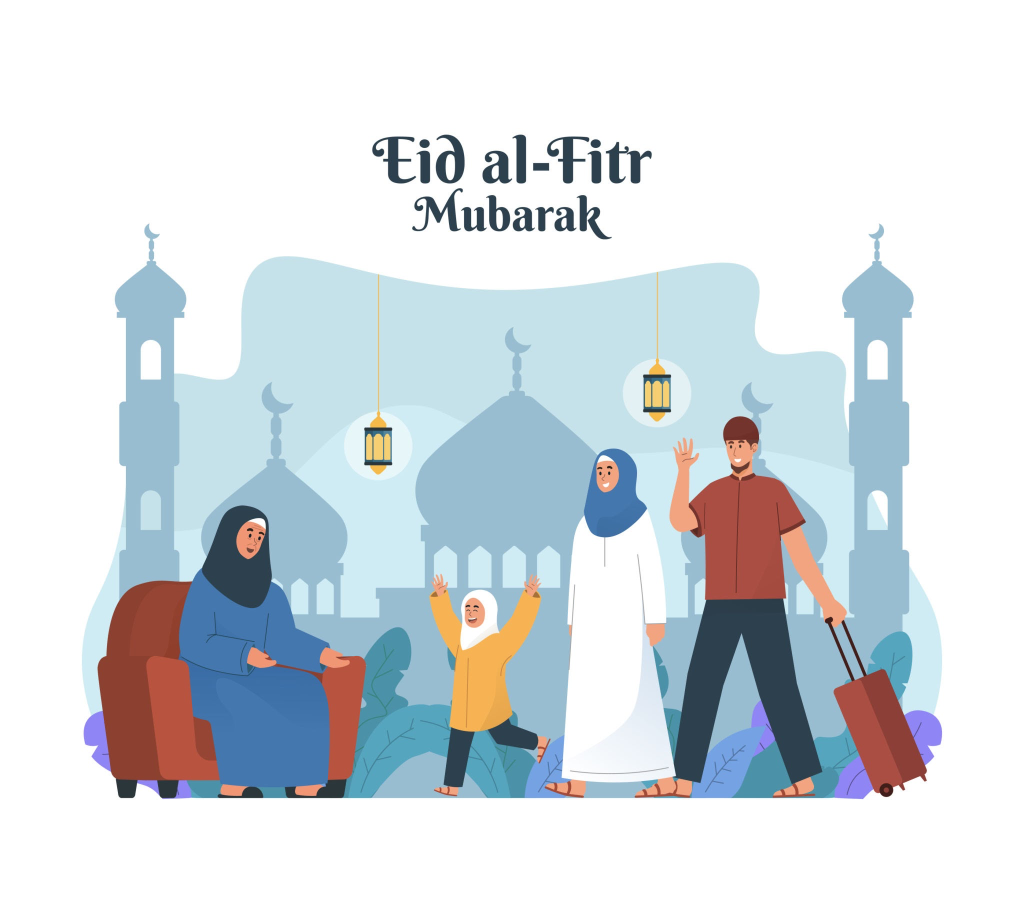
Eid ul-Fitr is celebrated at the end of the holy month of Ramadan. The festival begins after the sighting of the new moon, marking the completion of fasting. In Pakistan, Eid ul-Fitr is one of the most anticipated events of the year. Families gather for morning prayers at mosques and Eidgahs, exchange gifts, wear new clothes, and share special foods like sheer khurma. The government also announces official holidays, allowing millions to travel to their hometowns.
- Meaning: Celebration of breaking the fast
- When: 1st of Shawwal (Islamic calendar)
- Where: Mosques, Eidgahs, public grounds across Pakistan
- Traditions: Special prayers, charity (Fitrana), family gatherings
Eid ul-Adha in Pakistan
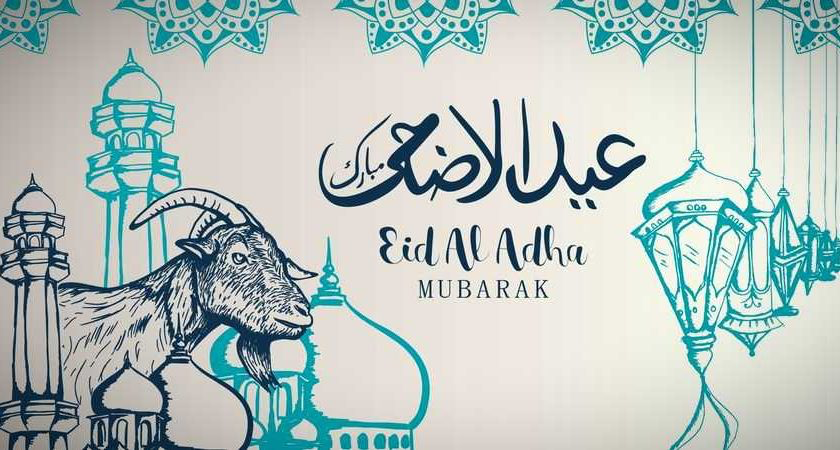
Eid ul-Adha, also known as the Festival of Sacrifice, commemorates the willingness of Prophet Ibrahim (Abraham) to sacrifice his son in obedience to God. In Pakistan, it is observed with the sacrifice of animals such as goats, cows, and camels. The meat is distributed among family, friends, and the poor. It is one of the largest community-based religious activities in the country, with millions participating nationwide.
- Meaning: Commemoration of sacrifice and obedience
- When: 10th of Dhul-Hijjah (Islamic calendar)
- Where: Nationwide, especially in open grounds and mosques
- Traditions: Animal sacrifice, distribution of meat, communal prayers
Shab-e-Barat in Pakistan
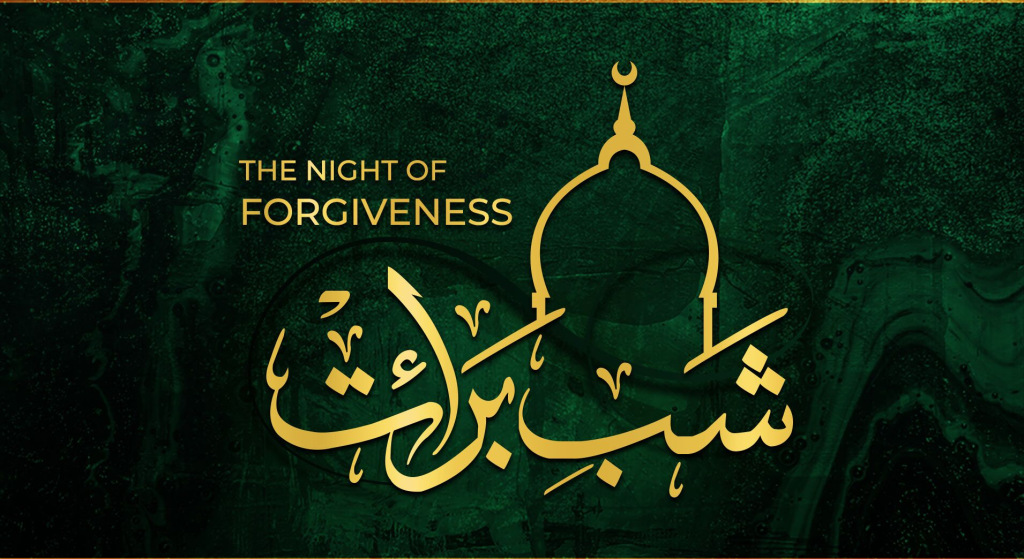
Shab-e-Barat, known as the Night of Forgiveness, is observed on the 15th of Sha’ban. Muslims in Pakistan spend the night in prayer, reciting the Quran, and seeking forgiveness for their sins. It is also a time for charity, with people distributing food to the needy. In some regions, graves are visited to pray for deceased relatives. Though not a public holiday, the night carries deep religious importance across communities.
- Meaning: Night of Forgiveness and Mercy
- When: 15th of Sha’ban (Islamic calendar)
- Where: Mosques, homes, and graveyards
- Traditions: Night prayers, charity, remembrance of the deceased
Shab-e-Miraj in Pakistan
Shab-e-Miraj, the Night of Ascension, commemorates the Prophet Muhammad’s (PBUH) miraculous journey to the heavens. In Pakistan, the night is observed with special prayers in mosques, recitations of the Quran, and sermons highlighting its significance. Many Muslims also spend the night in personal devotion, reflecting on the Prophet’s experience and its lessons of faith and resilience.
- Meaning: Commemoration of the Prophet’s Night Journey
- When: 27th of Rajab (Islamic calendar)
- Where: Mosques and homes nationwide
- Traditions: Night prayers, Quran recitation, religious gatherings
Muharram and Ashura in Pakistan
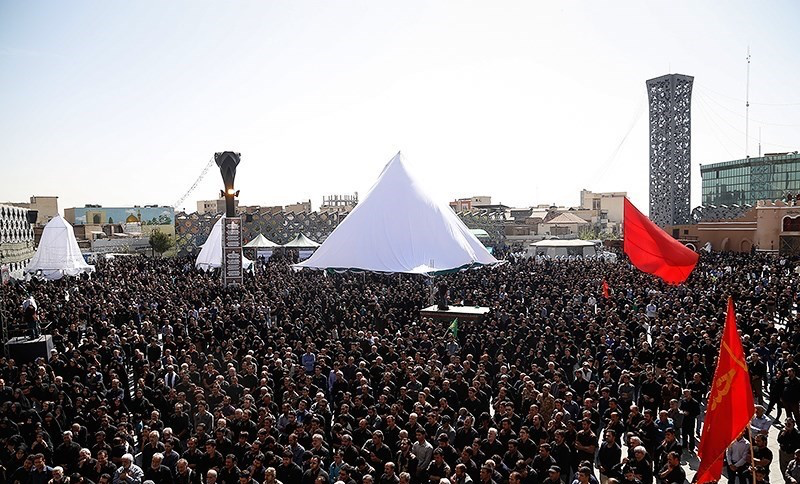
Muharram is the first month of the Islamic calendar and marks a period of mourning for many Muslims, particularly Shia communities. The 10th of Muharram, known as Ashura, commemorates the martyrdom of Imam Hussain, the grandson of Prophet Muhammad (PBUH), at Karbala. In Pakistan, processions are held in cities such as Lahore, Karachi, Quetta, and Peshawar. Participants engage in elegies, chest-beating rituals, and recount the story of Karbala. Security is heightened during this period due to large gatherings.
- Meaning: Mourning of Imam Hussain’s martyrdom
- When: 1st–10th of Muharram (Islamic calendar)
- Where: Major cities with Shia populations; Imambargahs and streets
- Traditions: Processions, sermons, elegies, acts of charity
Milad-un-Nabi in Pakistan
Milad-un-Nabi, also known as Mawlid, celebrates the birth of the Prophet Muhammad (PBUH). The festival is marked with processions, decorated streets, and special gatherings. Mosques and homes are illuminated with lights, while speeches and sermons highlight the Prophet’s teachings. In Pakistan, it is observed as a public holiday, and cities like Karachi and Lahore organize large-scale events that attract thousands of participants.
- Meaning: Celebration of the Prophet’s birth
- When: 12th of Rabi-ul-Awwal (Islamic calendar)
- Where: Mosques, community centers, city streets
- Traditions: Processions, Quran recitations, lights and decorations
Sufi and Regional Religious Festivals of Pakistan
Data Darbar Urs and Sufi Celebrations in Pakistan
The Urs of Hazrat Ali Hajveri, popularly known as Data Ganj Bakhsh, is one of the most significant Sufi gatherings in Lahore. Each year, over a million devotees visit the shrine to offer prayers, listen to qawwali music, and participate in charity drives. Other major Urs include the celebrations of Lal Shahbaz Qalandar in Sehwan Sharif and Shah Abdul Latif Bhittai in Sindh, which combine spirituality with cultural festivities.
- Meaning: Urs marks the death anniversary of a Sufi saint, celebrated as spiritual union with God
- When: Varies according to Islamic calendar
- Where: Lahore, Sehwan Sharif, Bhit Shah, and other shrine towns
- Traditions: Qawwali, prayers, langar, large processions
Mela Chiraghan and Other Regional Religious Festivals
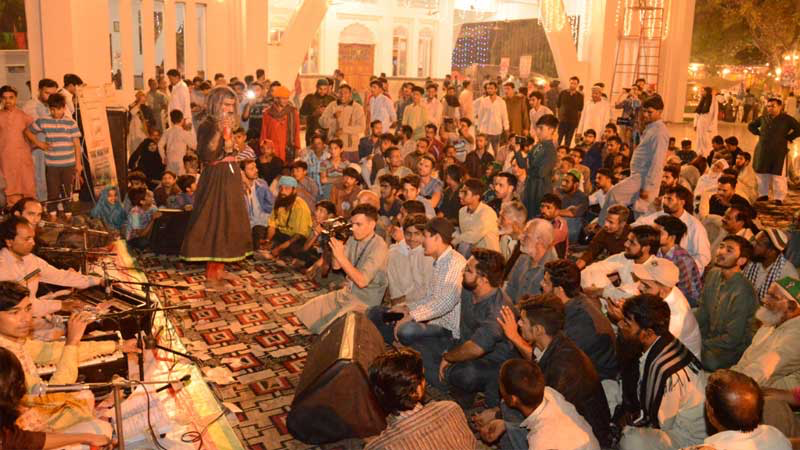
Mela Chiraghan, or the Festival of Lights, is celebrated annually at the shrine of Shah Hussain in Lahore. Pilgrims light candles, sing devotional poetry, and enjoy traditional music. Other regional festivals, such as those in Sindh and Balochistan, highlight the integration of local traditions with religious devotion.
- Meaning: Celebration of Sufi saint Shah Hussain’s Urs
- When: Last week of March (Gregorian calendar)
- Where: Lahore and regional shrines
- Traditions: Lighting candles, devotional songs, cultural dances
Kalash Religious Festivals in Pakistan
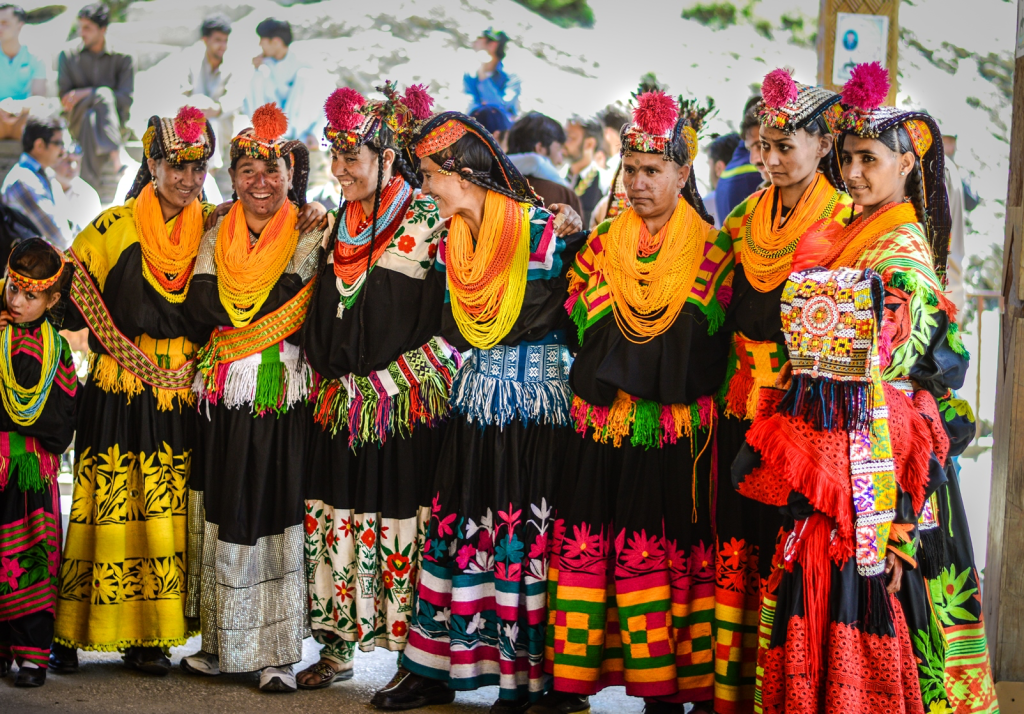
The Kalash people of Chitral celebrate unique religious festivals that blend spirituality with seasonal traditions. Chilam Joshi in May welcomes spring, Uchal in August honors the harvest, and Choimus in December marks the winter solstice. These festivals include traditional dances, colorful attire, and offerings to deities. Although the Kalash are a small community, their festivals are internationally recognized for their cultural value.
- Meaning: Seasonal religious festivals of the Kalash people
- When: May (Chilam Joshi), August (Uchal), December (Choimus)
- Where: Kalash valleys of Chitral, Khyber Pakhtunkhwa
- Traditions: Traditional dances, feasting, prayers to deities
FAQ: Religious Festivals of Pakistan
What are the main religious festivals of Pakistan?
The main religious festivals include Eid ul-Fitr, Eid ul-Adha, Muharram/Ashura, Milad-un-Nabi, Shab-e-Barat, and Shab-e-Miraj for Muslims, alongside Christmas, Diwali, Holi, Baisakhi, and Gurpurab celebrated by minority communities.
When are Islamic religious festivals in Pakistan celebrated?
Islamic festivals follow the lunar Hijri calendar, so their Gregorian dates vary yearly. For example, Eid ul-Fitr is on 1st Shawwal, Eid ul-Adha on 10th Dhul-Hijjah, and Milad-un-Nabi on 12th Rabi-ul-Awwal. Dates are confirmed by moon sighting.
How do minorities celebrate religious festivals in Pakistan?
Minorities celebrate in their respective traditions: Christians attend church services for Christmas and Easter, Hindus observe Diwali and Holi with lights and colors, and Sikhs celebrate Baisakhi and Gurpurab at gurdwaras. These events often include prayers, community meals, and cultural performances.
What is the significance of Muharram in Pakistan?
Muharram, particularly Ashura, commemorates the martyrdom of Imam Hussain at Karbala. It is observed with mourning rituals, processions, and acts of charity. It is a deeply spiritual time, especially for Shia Muslims in Pakistan.
Can non-Muslims participate in religious festivals of Pakistan?
Yes, non-Muslims are welcome to respectfully observe or participate in many festivals, particularly Sufi Urs, Christmas, Diwali, and Holi celebrations. Visitors should follow cultural etiquette, dress modestly, and seek permission before photographing events.
Cultural Context of Religious Festivals in Pakistan
Role of Religious Festivals in Pakistani Society
Religious festivals of Pakistan are more than just observances—they are moments of collective identity. From Eid prayers that unite millions to small community gatherings during Diwali or Christmas, these events strengthen social bonds. They also reinforce values such as charity, hospitality, and remembrance.
Interfaith Harmony and Religious Festivals in Pakistan
While Pakistan is a Muslim-majority country, its religious festivals include important events for minorities. Interfaith initiatives often encourage communities to share in each other’s celebrations. Schools, media, and civic organizations highlight these festivals as opportunities for tolerance and understanding.
Government Support for Religious Festivals of Pakistan
The Government of Pakistan declares public holidays for major Islamic festivals and provides security arrangements for large gatherings, particularly during Muharram. In recent years, official recognition of minority festivals such as Diwali and Christmas has improved visibility and inclusivity.
Planning Your Visit to Religious Festivals of Pakistan
Religious Festival Calendar of Pakistan
Festival dates in Pakistan follow the Islamic lunar calendar for Muslim events and fixed Gregorian dates for many minority festivals. Visitors should always check official announcements from the Ministry of Religious Affairs and local communities, as moon sightings can shift Islamic dates by a day.
Etiquette and Respect Guidelines
- Dress modestly, especially when visiting mosques, shrines, or temples.
- Seek permission before photographing participants, especially women and children.
- Respect prayer times and avoid disrupting processions.
- Follow local guidance on where visitors may observe events safely.
Photography and Documentation Tips
Religious festivals in Pakistan are visually rich but sensitive. Travelers should capture respectful moments such as decorations, community gatherings, and cultural expressions. Avoid intrusive or exploitative photography, particularly during solemn events like Muharram processions.
Conclusion: Why Religious Festivals of Pakistan Matter
Religious festivals of Pakistan showcase the country’s unity in diversity, blending spirituality with cultural traditions. Whether it is Eid ul-Fitr prayers at dawn, the colorful joy of Holi, or the devotion of Sufi Urs, these occasions reflect Pakistan’s living heritage. For locals, they reaffirm faith and community; for visitors, they offer a window into the soul of the nation.
Related Post: Vibrant Festivals and Public Holidays in Pakistan
Author: ZunNurain Khalid — Travel & Tourism Specialist, Founder of ExploreX Pvt. Ltd., and advocate for sustainable tourism in Pakistan. With over a decade of experience in digital marketing and destination branding, ZunNurain has worked extensively on promoting Pakistan’s natural and cultural heritage.