Banjosa Lake — A Complete Travel Guide to Azad Kashmir’s Hidden Gem

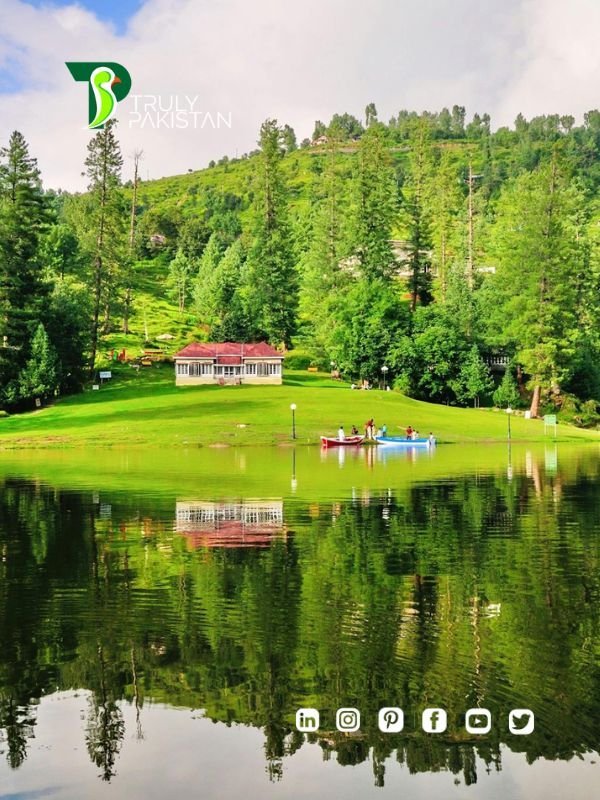
Nestled among pine-covered hills just 20 kilometers from Rawalakot, Banjosa Lake is one of Azad Kashmir’s most scenic manmade lakes. With calm waters, fresh mountain air, and a family-friendly atmosphere, it’s a peaceful escape for anyone looking to experience nature at its best. Whether you’re a first-time visitor or planning a weekend getaway, this guide covers everything you need to know—from how to reach Banjosa to where to stay, what to do, and when to go.
Table of Contents
Overview of Banjosa Lake
Where Is Banjosa Lake Located?
Banjosa Lake lies about 20 kilometers southeast of Rawalakot in the Poonch District of Azad Jammu and Kashmir, Pakistan. Situated at an altitude of roughly 2,027 meters (6,650 feet) above sea level, the lake is surrounded by dense pine forests and small wooden cottages. Its coordinates—33.8374° N, 73.8247° E—place it firmly within one of the most accessible mountain regions in northern Pakistan.
The lake’s mirror-like surface reflects tall pine trees and clear skies, creating postcard-perfect views throughout the year. Visitors often stop here on their way to Toli Peer or Rawalakot, making it a must-see destination in southern Kashmir.
History and Creation of the Lake
Banjosa Lake is artificial, built in the early 2000s as part of a local development project to promote tourism and support irrigation in the surrounding areas. It was designed by the AJK Tourism & Archaeology Department with help from regional authorities. Over time, it has become the centerpiece of Rawalakot’s tourism identity.
Wooden cottages, walkways, and small tea stalls were later added, turning the area into a lively recreational hub. The lake’s clean environment and organized layout make it a great model for sustainable local tourism in Azad Kashmir.
Why Visit Banjosa Lake?
Banjosa offers something few other destinations in Pakistan can: easy accessibility paired with true mountain tranquility. Visitors come for:
- Boat rides on crystal-clear water surrounded by pine forests
- Peaceful picnic areas with benches and family huts
- Cool weather even in peak summer months
- Proximity to Rawalakot’s main attractions and day-trip spots
Unlike high-altitude treks that demand effort, Banjosa is a drive-in destination—perfect for families, couples, and solo travelers seeking relaxation in nature.
How to Reach Banjosa Lake
Distance and Route Options

The lake is roughly 20 km from Rawalakot city center, about 150 km from Islamabad, and a four-to-five-hour drive through scenic mountain roads. Travelers coming from Islamabad can follow the Murree–Kohala–Rawalakot route, which is paved and suitable for all vehicles in fair weather.
From Muzaffarabad, the drive takes about six hours via the main AJK highway. Roads are narrow but generally well-maintained, with rest stops available in small towns along the way.
Best Transport Choices
For the best experience, most visitors use private cars or rent jeeps from Rawalakot. Public vans and local taxis also operate daily between Rawalakot city and the lake. In winter, when snow covers the roads, 4×4 vehicles are recommended due to icy turns near the hill slopes.
Map and Road Tips
Fuel up in Rawalakot before the ascent—there are no petrol pumps near the lake. Drive cautiously on curved sections and check the weather forecast in advance, especially during monsoon or snow season. For accurate directions, use Google Maps driving route or ask locals for the latest updates on road conditions.
Best Time to Visit Banjosa Lake
Seasonal Highlights
Each season paints Banjosa Lake in a different color:
- Spring (March–May): Blooming flowers and fresh greenery.
- Summer (June–August): Ideal for boating, picnics, and photography.
- Autumn (September–October): Quieter months with golden forests and fewer tourists.
- Winter (November–February): Snow blankets the lake, offering a serene, icy view—but temperatures can drop below freezing.
Families often prefer spring and summer for ease of access, while photographers visit in autumn or after light snow for more dramatic scenes.
Festivals and Local Events
During Eid holidays and Pakistan’s Independence week in August, Banjosa sees a surge of visitors. Temporary food stalls, craft booths, and live music create a festive lakeside environment. To enjoy peace and shorter lines for boating, plan a weekday visit or off-season trip in October or March.
Weather and Temperature Patterns
At an altitude of over 2,000 meters, Banjosa’s temperatures remain cool year-round. Average highs range from 15–25°C in summer and lows dip below 0°C in winter. The lake occasionally freezes from December to January, offering rare views for visitors who brave the cold. Always carry warm clothing, even in summer evenings when the temperature drops quickly.
Things to Do at Banjosa Lake
Boating and Picnicking

The most popular activity at Banjosa Lake is boating. Paddleboats and rowboats are available for rent between 9 AM and 6 PM during the warmer months. Life jackets are provided, and all rides are supervised by local staff under the AJK Tourism Department. Families often enjoy lakeside picnics—designated areas with benches, shades, and grassy lawns make it easy to relax and take in the view.
Bring a picnic basket or buy snacks from nearby stalls serving pakoras, samosas, and traditional Kashmiri tea. Waste bins are placed along the walkway, and visitors are encouraged to keep the lake area clean.
Nature Walks and Photography Spots
Banjosa is surrounded by dense pine forests and narrow walking trails that loop around the lake. These natural paths are great for morning walks or short hikes. Photographers often head to the north end of the lake for sunrise shots or to the upper slopes near the cottages for panoramic views. The reflection of the pine trees in the still water creates perfect symmetry for landscape photography.
Local Food and Tea Stalls
A few tea stalls and small cafés line the lakeside path, serving hot parathas, Kashmiri kehwa, and omelets made fresh to order. The simplicity of the food adds to the experience. If you visit in the afternoon, try local trout or mutton karahi in nearby guesthouse restaurants. These eateries rely on locally sourced ingredients and provide authentic flavors that complement the cool climate.
Family and Kids Activities
Children can enjoy horse rides, small swing sets, and balloon vendors that add color to the scene. Families often bring board games or rent portable barbecue grills for an afternoon by the lake. Since swimming is not allowed, parents can feel safe letting kids roam freely along the fenced edges of the lake. During holidays, local performers sometimes organize music and storytelling sessions that make evenings lively.
Where to Stay Near Banjosa Lake
Hotels and Guesthouses
Accommodation options are simple but comfortable. The official AJK Tourism Rest House overlooks the lake and offers rooms with balconies. Several local hotels such as Dream Valley Resort and Heaven View Guesthouse are located within a five-minute drive. Prices range from PKR 5,000 to PKR 12,000 per night depending on season and room size.
For traveler reviews and current rates, check TripAdvisor’s Banjosa Lake page or local booking platforms. Advance reservations are recommended during summer and Eid holidays.
Cottages and Camping
For a more immersive stay, rent one of the pinewood cottages or set up a small camp near the forest edge. Camping is allowed in designated areas with permission from the tourism office. Firewood is available locally, and campfires are permitted in winter with proper safety precautions. Nights can get cold, so layered clothing and sleeping bags rated for low temperatures are advised.
Accessibility and Family Comfort
Banjosa’s main walking path is paved and suitable for strollers or wheelchairs. Restrooms are available near the car park and at most guesthouses. Families with elderly members will find the lake’s gentle terrain easier than other mountainous destinations in Kashmir. Electricity is stable, mobile signals are strong, and 24/7 security patrols keep the area safe for visitors.
Accessibility, Facilities & Safety
Parking and Public Facilities
There is a large parking area about 200 meters from the lake, managed by local authorities. The parking fee is minimal, usually around PKR 100 per vehicle. Public toilets, seating benches, and shelters are placed along the lakeside. The local tourism office provides first-aid services and basic visitor assistance during peak hours.
Disability Access and Safety Tips
Wheelchair ramps connect the main parking lot to the walkway. The path is mostly level, with mild slopes near the edges. Always wear sturdy shoes, especially after rain, when paths can get slippery. Carry warm layers, sunscreen, and mosquito repellent. Emergency help can be reached via AJK Tourism Helpline or local police at Rawalakot (+92 5824 920241).
Banjosa Lake Across the Seasons
Summer and Spring
From April to August, the lake glows under bright sunlight, surrounded by thick green foliage. It’s the best time for boating and outdoor picnics. Temperatures remain moderate, making it ideal for families. Travelers often combine a lake visit with short trips to Toli Peer or Poonch Valley.
Autumn
Autumn transforms Banjosa into a mosaic of red and gold. The crowds thin out, offering a calm experience for visitors who prefer quiet reflection. The light is perfect for photographers capturing golden-hour reflections on the lake’s surface. Local food stalls sell roasted corn and chai during this season, adding warmth to the cool breeze.
Winter
From November to February, snow often blankets the lake and surrounding pine trees. The frozen surface creates a magical view, though boating closes during this time. Roads remain open, but four-wheel drives are recommended. The air is crisp, and fog can settle early in the evening, so plan your return before sunset. Winter is the best time for photographers and those seeking solitude.
FAQs
What is Banjosa Lake famous for?
Banjosa Lake is famous for its calm, mirror-like waters surrounded by pine forests and wooden cottages. It’s one of the few manmade lakes in Azad Kashmir that blends natural beauty with accessibility. The lake’s scenic reflection views, boating opportunities, and peaceful atmosphere make it a top family destination in Rawalakot.
Is Banjosa Lake natural or artificial?
Banjosa Lake is artificial. It was created in the early 2000s through a local development project by the AJK Tourism & Archaeology Department. The lake collects freshwater from surrounding hills, forming a stable reservoir that supports tourism and local irrigation needs.
Can families visit in winter?
Yes. Families visit Banjosa Lake year-round, but winter requires preparation. The area often receives snowfall from December to February. The roads remain open most of the time, though you’ll need a vehicle with good traction. Guesthouses offer heated rooms, and the snow-covered scenery is breathtaking for family photos and cozy indoor evenings.
What are the best photography spots?
The northern edge of the lake offers the best morning reflections, while the southern slope near the guesthouses provides a wide-angle view of the entire valley. For elevated perspectives, hike up the trail behind the rest house. Travelers often capture long-exposure shots of the lake under moonlight for a serene composition.
Is boating available year-round?
Boating is open from late March to October. In winter, the lake’s surface can partially freeze, and rides are paused for safety reasons. Check the Pakistan Travel Guide or local tourism office before visiting to confirm operating hours.
Expert Tips for Planning Your Trip
What to Pack
Clothing: Warm layers for evenings, rain jacket in monsoon, gloves and cap in winter. Essentials: Reusable water bottle, power bank, sunscreen, insect repellent. Travel Gear: Comfortable shoes for walking trails, camera, small first-aid kit.
Responsible Travel & Environmental Care
Banjosa’s beauty depends on its clean environment. Dispose of litter properly, avoid plastic use, and respect local customs. Support nearby small shops and eateries instead of bringing packaged meals. The AJK Tourism Department promotes eco-friendly travel, and following their guidelines helps preserve this landmark for future generations.
Traveler Insights
“Visiting Banjosa was like stepping into a painting,” says Ali Raza, a frequent traveler to Kashmir. “The lake isn’t just scenic—it’s peaceful, safe, and full of local warmth.” Many visitors share similar impressions on TripAdvisor, praising the balance between comfort and natural beauty. A few suggest visiting early morning to avoid crowds and experience mist rolling over the water.
Conclusion
Banjosa Lake remains one of the most accessible and rewarding destinations in Azad Kashmir. Its combination of lush scenery, mild climate, and organized facilities makes it ideal for families, couples, and solo adventurers alike. Whether you visit in spring for flowers, summer for boating, or winter for snow views, Banjosa never disappoints.
Use verified resources like AJK Tourism and Pakistan Travel Guide before your trip for the latest updates. Share your own experiences, photos, and tips with the travel community to help others plan better journeys.
Related Post: Top 5 Kashmir Tourist Points to Visit in 2025

Author: ZunNurain Khalid — Travel & Tourism Specialist, Founder of ExploreX Pvt. Ltd., and advocate for sustainable tourism in Pakistan. With over a decade of experience in digital marketing and destination branding, ZunNurain has worked extensively on promoting Pakistan’s natural and cultural heritage.