Format: Trending Listicle | Audience: International & Adventure Travelers | Word Count: ~1,400
Something shifted in Pakistan’s tourism story sometime around 2023. The shift was not loud. It did not come with a government press release or a global ad campaign. It came in the form of travelers — from the US, UK, Germany, Australia, Japan — who visited, posted, and then watched their feeds fill with people asking: wait, is that Pakistan?
The answer was yes. And 2026 is the year that question becomes a booking.
Here are ten reasons why this is the year to go.
1. The K2 Trekking Season Opens With Record Demand — and New Infrastructure
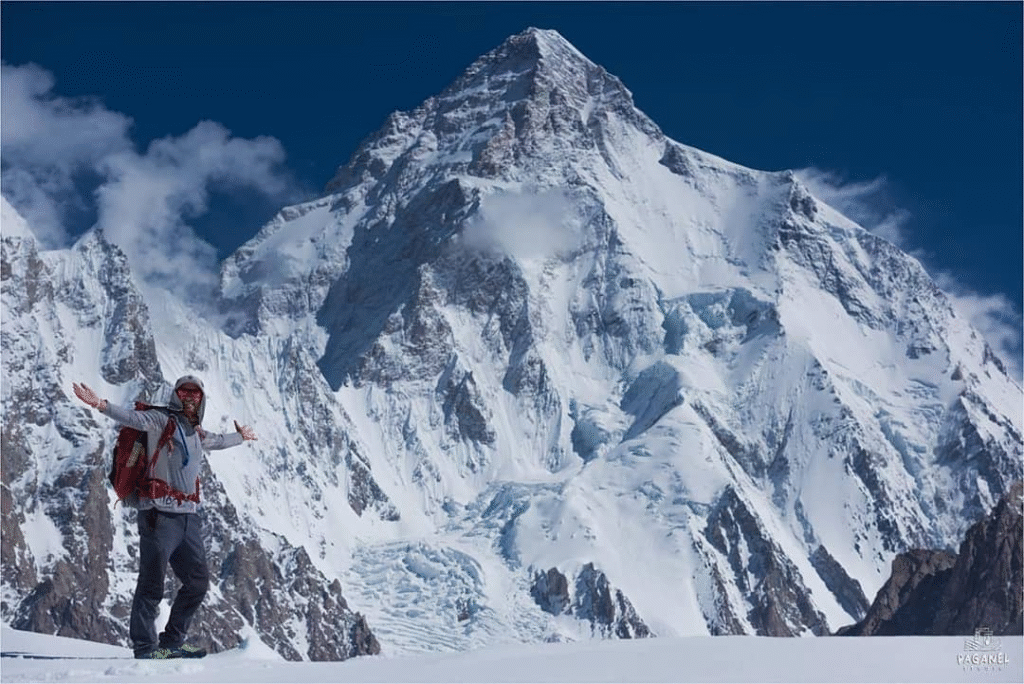
The 2026 trekking season in Gilgit-Baltistan opens with more registered international expeditions than any prior year. K2 Base Camp, Concordia, the Baltoro Glacier corridor — these are routes that demand serious preparation and reward with views that have no equivalent on earth. The K2 experience is now supported by a growing number of verified, internationally experienced operators. Get your permits sorted by March. May slots book fast.
2. Pakistan’s E-Visa Is Now the Fastest It Has Ever Been
American, British, German, Australian, and most Western passport holders can apply for a Pakistan e-visa online with approval typically within three to five business days. The process has been streamlined repeatedly since 2019 and is now genuinely simple. The old narrative of Pakistan being inaccessible for Western travelers belongs to a different era.
3. The Shandur Polo Festival Returns — and It Is Extraordinary
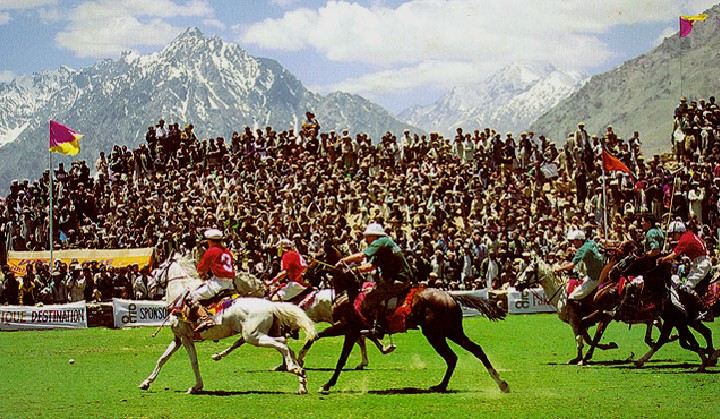
In late June and early July, the Shandur Plateau — at 12,200 feet, the highest polo ground on earth — hosts a three-day festival of polo, music, and mountain culture. Held annually since 1936, it draws teams from Chitral and Gilgit and thousands of spectators who camp on the plateau under an open sky. No other sporting event on earth looks quite like this. It is not a tourist recreation. It is a living tradition.
4. International Media Is Catching Up to Reality
In the last 18 months, Pakistan’s travel story has been covered by the New York Times, Conde Nast Traveler, Lonely Planet, and National Geographic — not as a curiosity, but as a serious travel destination. That coverage changes the cultural context. When the conversation shifts from ‘is it safe?’ to ‘where exactly should I go?’, the destination has crossed a threshold. Pakistan has crossed it.
5. The GCC-Pakistan Air Route Has Never Been More Connected
For travelers from Dubai, Abu Dhabi, Riyadh, Kuwait, and Doha, Pakistan has never been more accessible. Direct flights from GCC cities to Islamabad, Lahore, and Karachi operate multiple times daily. For Muslim travelers seeking a destination that is not only accessible but deeply hospitable to religious practice — halal food at every level, prayer infrastructure throughout, Ramadan as a cultural feature rather than a logistical complication — Pakistan in 2026 represents a genuine alternative to well-worn GCC-adjacent destinations.
6. The Hunza Cherry Blossom Season Is Going Viral — For Good Reason
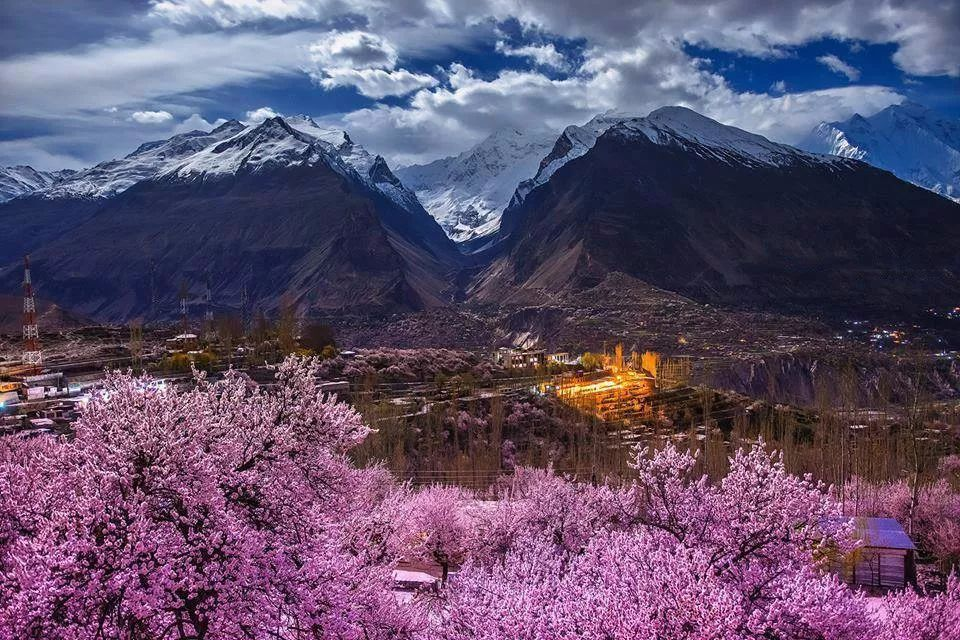
Every April, Hunza Valley erupts in white and pink cherry blossom against a backdrop of snow-capped Karakoram peaks. The visual is accurate. The experience is better than the visual. April 2026 projections show strong spring conditions at elevation. Accommodation in Karimabad books out for blossom season months in advance. Book now.
7. Lahore’s Food Scene Is Getting International Recognition
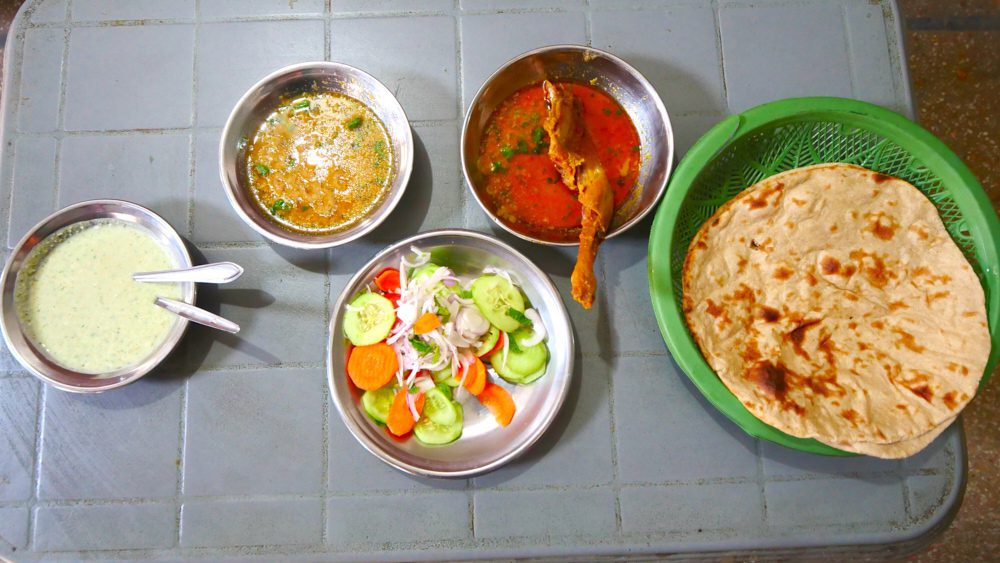
Pakistan’s culinary traditions — particularly those of Lahore and Peshawar — are increasingly recognized by serious food media as among South Asia’s most complex and distinctive. Nihari. Sajji. Chapli kebab. Lahori karahi. Peshawari namkeen gosht. The food reasons to go to Pakistan alone are compelling. They are also almost entirely unexplored by international food tourism in the way that, say, Vietnamese or Thai food has been covered. This is a window. It does not stay open forever.
8. Responsible Tourism Infrastructure Is Maturing
Operators like Maqaam Adventure Travel, Karakoram Club, and a growing number of TRUBiz-listed businesses are building tourism products that prioritize local community benefit, environmental impact management, and genuine cultural engagement. For travelers who want their trip to mean something beyond the itinerary, Pakistan in 2026 offers more verified options than ever.
9. Autumn 2026 — Potentially the Most Spectacular Season in a Decade
Climate modeling and current mountain snowpack indicators point toward a strong autumn season in Gilgit-Baltistan in 2026 — optimal snowmelt rates, extended foliage season in Hunza, accessible high-altitude passes through late October. Autumn in Hunza is, many experienced Pakistan travelers argue, the most beautiful season anywhere they have been. This year’s conditions look favorable.
10. The Narrative Has Changed — and Being Early Still Matters
There is a version of every destination’s story where the early visitors look back in ten years and say: we were there before it became what it became. Pakistan is inside that window right now. The infrastructure is ready. The international coverage is building. The visa is accessible. The mountain season in 2026 is projected to be exceptional. The only thing still required is the decision to go.
“The most common thing travelers say after their first week in Pakistan: Why did it take me this long?”